The sheathing compound plays a vital role in the overall performance and durability of a cable. As the outermost layer, it not only provides mechanical protection but also shields the cable from environmental, thermal, and chemical stress. Selecting the right sheathing compound ensures long service life, safety, and compliance with application requirements.
Hebei Sunua Advanced Material Co., Ltd (SUNUA) specializes in high-quality sheathing materials that meet diverse industrial demands, including power and energy, data communication, automotive, rail transit, building, and marine applications. This article explains how to choose the right sheathing compound based on your cable’s environment, performance needs, and safety standards.
The outer sheath is far more than a cosmetic covering. It serves as the primary defense against:
Mechanical abrasion, bending, or crushing
Moisture, chemicals, and oil exposure
UV radiation and weathering
Fire hazards and smoke generation
Temperature fluctuations and environmental stress
SUNUA emphasizes that “the outer sheath plays an equally important role—it protects the cable from mechanical damage, moisture, chemicals, and harsh environmental conditions.” Choosing the appropriate compound ensures that cables remain reliable even under demanding conditions.
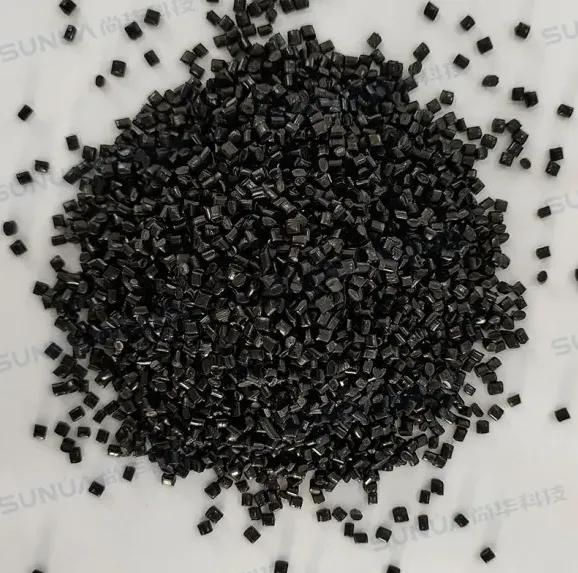
Consider where the cable will be installed:
Indoor or outdoor?
Exposed to sunlight, underground, or in conduit?
Subject to oil, chemicals, or saltwater?
Exposed to rodents or insects?
Safety regulations in modern infrastructure often require Low Smoke Zero Halogen (LSZH) compounds. LSZH sheaths emit minimal smoke and no harmful halogen gases when burned, making them ideal for public spaces, railways, and tunnels.
Durability and flexibility are key considerations:
Tensile strength and abrasion resistance for cables exposed to mechanical stress
Flexibility for cables in motion or subject to bending
Chemical and oil resistance for industrial environments
UV and ozone resistance for outdoor use
Ensure that the sheathing compound meets the relevant industry standards, such as:
IEC, EN, and UL fire safety standards
RoHS and REACH environmental compliance
Automotive and transportation standards like ISO 6722 and SAE J1128
Each compound offers a different balance of cost, performance, and compliance.
PVC is economical and versatile for general-purpose indoor cables.
LSZH compounds provide higher safety but come at a premium.
MDPE or XLPE options are suitable for outdoor and buried applications requiring added protection.
| Type | Key Features | Applications |
| PVC (Polyvinyl Chloride) | Cost-effective, flexible, chemical-resistant | Indoor wiring, low-voltage power cables |
| PE / MDPE / XLPE | Excellent moisture, abrasion, and UV resistance | Outdoor or buried cables |
| LSZH Polyolefin | Flame retardant, halogen-free, low smoke emission | Public buildings, rail, marine |
| PUR / TPU / PTFE | High flexibility, superior chemical and abrasion resistance | Robotics, automotive, industrial automation |
SUNUA’s portfolio includes LSZH polyolefin and MDPE sheathing compounds suitable for these categories, meeting specific environmental and mechanical requirements.
Define the Application Environment
Identify where and how the cable will operate — indoor, outdoor, underground, or mobile.
Determine Safety Requirements
Confirm if the project requires LSZH materials or specific flame-retardant classifications.
Evaluate Mechanical and Chemical Resistance
Consider flexibility, wear, UV, and oil resistance based on installation conditions.
Check Compliance Standards
Match the compound with necessary certifications such as CPR, ISO, or UL.
Assess Cost and Longevity
Weigh the initial material cost against long-term maintenance and safety benefits.
Test and Validate
Request samples from your supplier, conduct extrusion trials, and verify physical and fire performance.
Ensure Supplier Reliability
Choose a supplier with consistent quality, strong technical support, and stable supply — attributes SUNUA highlights as part of its core service philosophy.
SUNUA provides a comprehensive range of high-performance sheathing compounds, including:
LSZH Flame Retardant Polyolefin Compounds for low smoke and halogen-free protection.
Anti-Rodent & Termite MDPE Materials for outdoor and underground installations.
Certified grades that meet CPR, IEC, ISO, and SAE standards.
Excellent physical properties such as crack resistance, surface hardness, and flexibility.
With stable production capacity, strict quality control, and professional after-sales support, SUNUA ensures that customers receive reliable, safe, and compliant cable materials.
Choosing the right sheathing compound requires balancing environmental demands, safety regulations, and cost efficiency. By understanding the specific conditions of your application and aligning them with certified materials, you can ensure the longevity and safety of your cables.
SUNUA’s advanced LSZH and MDPE sheathing compounds offer proven solutions for modern power, communication, and transportation systems — protecting cables from damage, reducing fire risk, and extending service life.


